

The health risks of 5G radiation are still being debated, but one study has suggested the connection between RF radiation and cancer in male rats. The study was classified up until it was taken off the list at the end of 2012 by Central Intelligence Agency, but it has proven that radiofrequency may be a cause of cancer for animals including humans. In the research, scientists exposed male rats to radiofrequency for 15 days , and discovered that they developed same types of cancers as humans do.
The health effects of 5G radiation
While the rapid growth of wireless communication has led to the development of 5G technology, there are growing concerns regarding the health effects of radiation from 5G. While the higher frequencies may not penetrate the body as deeply as previous technologies, researchers have identified potential systemic impacts and are calling for further research. To ensure that the population is safe and protected, the European Commission is requesting independent studies to determine whether the technology could pose any health hazards.
It is important to note that there is a significant number of misinformation about 5G's health impacts It is crucial to clear any misconceptions that persist. Although 5G isn't yet widely used but there are many who are being told that it could cause health issues typically via social media where sexy words are used.
Beamforming technique
Beamforming is one of the most crucial technologies used in the 5G wireless networks. It is a method which makes use of several radiating elements to produce narrow beam. The aim in beamforming is minimize any unwanted radiation within the signal that results. This method is widely employed in wireless communication systems and is crucial for 5G's cost-effective coverage.
This technique works by electronic weighting of the individual signals of each antenna. This produces the smaller beam of radiation which increases cell coverage indoors and near cell edges. This technique is important because poor coverage can lead to low user satisfaction. Apart from improving 5g towers radiation , beamforming helps reduce the amount of noise a user receives from other devices.
Power density
The intensity of 5G radiation emanating from towers on cell phones will be comparable to previous generations of 4G and 3G systems. One reason behind the low power is the electrical components' sensitivity. The maximum radiation output of the 2G handset was around 2 Watts. The output of a 4G phone was approximate 200 milliwatts.
The power density is the amount of electromagnetic energy that is absorbed by the body from a particular distance. The power density of 5g radiation is typically expressed in the watts per square meters. In contrast to the SAR measurement the power density measurement is actually a measurement of the amount of electromagnetic energy in an area. The limits for power density may differ for wearables and mobile devices according to their operating frequencies and distance.
Specific absorption
The Specific Absorption Rate (SAR) can be described as a measurement which measures the speed at which a particular frequency depositions power in human tissues. In generally, the SAR should not exceed two watts per kilogram body mass. This value is derived from the electric field that exists within the tissues and the density of mass, measured in kilograms per cubic millimeter. It has recently been used to determine the antenna design.
The new radio technologies that comprise the 5G network operate on frequencies below 6 GHz. These frequencies are known as millimeter waves. However 5g towers radiation applies to frequencies up 6-GHz. Additionally the SAR test requires that measurements are conducted in phantoms containing tissues simulating media.
Skin health effects
We are not aware of the effects of radiation from 5G in the body. The existing knowledge is limited due to the absence of in-vivo studies and theoretical models. There is however 5g radiation poisoning for further research on the effects of 5G radiofrequency radiation on human skin. The use of 5G radio frequencies could cause damage to the skin, especially to the epidermis, which is very sensitive.
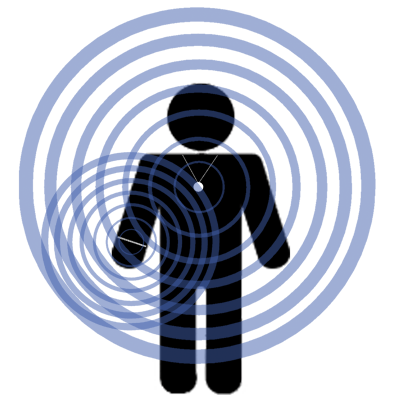

In contrast to 4G, 5G radiation is one of the highest frequencies that has been found to cause heat to human tissues. Human bodies are dipolar, so the increased frequency of 5G radio waves can cause heat to the skin. The exposure to radio frequencies from 5G can also affect other organs in the body, including the brain.